
How Often to Repaint a Phoenix Home's Exterior
Phoenix exterior paint usually lasts 5-10 years. The signs it's time, how elevation changes the math, and how to stretch the cycle.
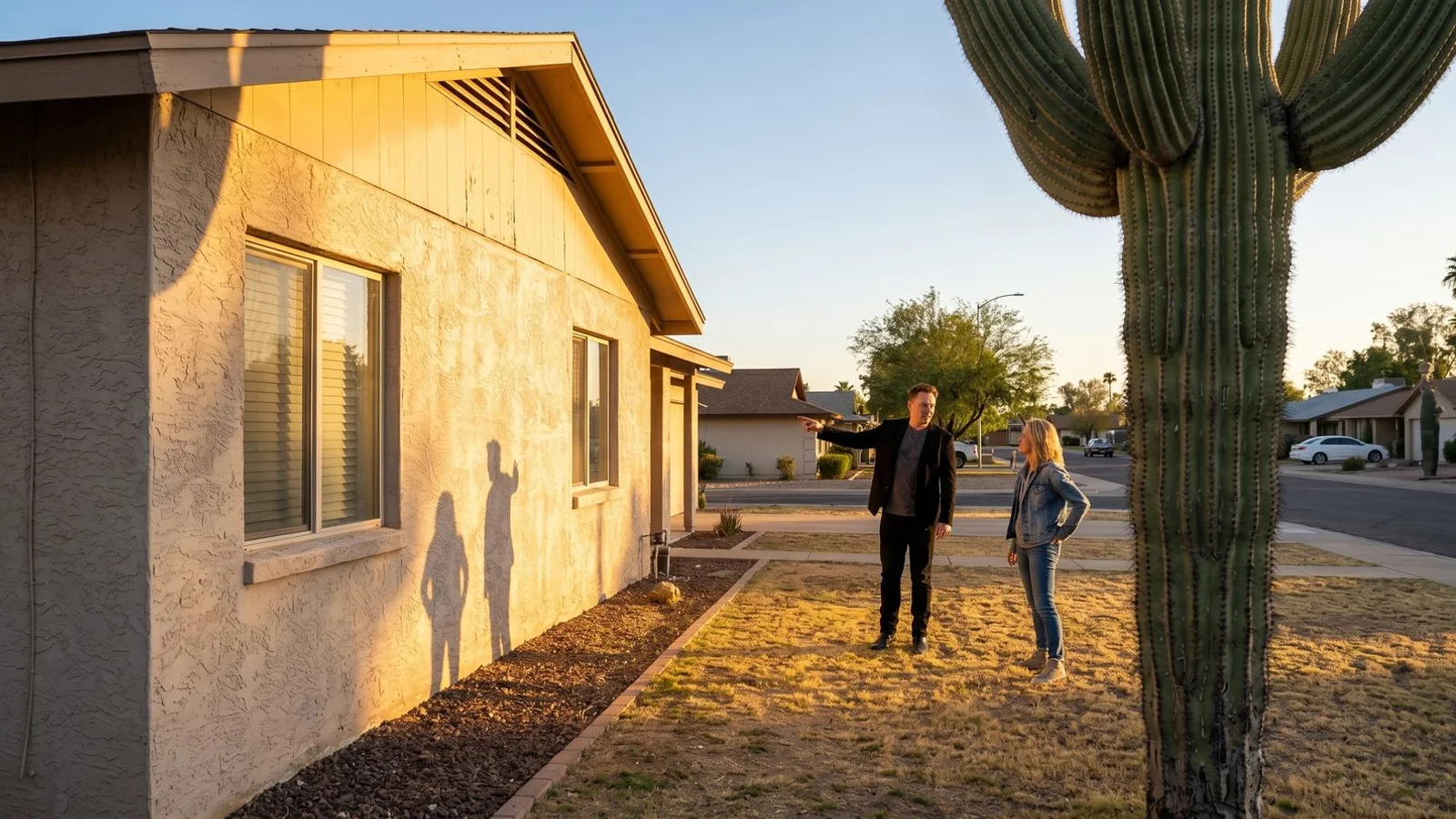
When considering how often repaint exterior Phoenix properties, most local homes require a fresh coat every 5 to 10 years depending on the wall direction and paint chemistry. You probably notice that the south and west walls of your property start looking tired years before the rest of the house.
That uneven aging is the biggest maintenance challenge we see in the Valley.
A 2026 analysis of local climate data shows our UV Index hits extreme levels of 10 to 12 for seven consecutive months, pushing south-facing stucco walls to routinely bake at 180 degrees by mid-July.
Our team at John Claude Painting tracks these fading patterns closely. This guide breaks down exactly how long different products survive this heat and highlights the specific workarounds local crews use to extend your paint cycle.
Typical Lifespans by Product
The exterior paint lifespan arizona homes experience ranges from 4 years for budget acrylics to over 15 years for premium elastomeric systems. Choosing the right chemistry dictates how soon you will need to hire a crew again.
| Paint System Type | Average Phoenix Lifespan | Common Examples |
|---|---|---|
| Builder-grade acrylic | 4 to 5 years | Standard retail latex |
| Mid-tier premium acrylic | 6 to 8 years | Sherwin-Williams SuperPaint, Behr Premium |
| Top-tier acrylic | 8 to 12 years | Sherwin-Williams Emerald Rain Refresh, Benjamin Moore Aura |
| Elastomeric coatings | 10 to 15 years | Sherwin-Williams Loxon XP, ConFlex |
| Ceramic-reinforced | 10 to 15+ years | Specialty Rhino Shield, HyperCoat |
We strongly recommend upgrading to elastomeric products like Loxon XP for block and stucco homes. These high-build coatings apply at up to 40 mils wet thickness, which is roughly four times thicker than standard exterior latex.
This massive difference in thickness allows the paint film to stretch. Thermal expansion causes hairline fissures in your masonry as the temperature swings from morning to afternoon, but our preferred elastomeric systems bridge these small gaps to keep water out. Letting a budget paint go past its useful life invites significant moisture damage into your substrate during the monsoon season.
Signs It’s Time
Visual indicators like chalking, localized fading, and hairline cracking clearly signal that your exterior paint has reached the end of its protective life. Knowing exactly when to repaint house phoenix properties prevents these surface issues from turning into structural problems.
- Chalking: Wipe your bare hand on a south-facing wall at knee height. Finding white, powdery residue means the chemical binder has officially broken down under the intense Arizona sun.
- Deep Fading: Watch your bold reds, dark blues, and rich earth tones closely. Darker pigments absorb far more UV radiation and typically lose 20 to 30 percent of their color saturation within four years.
- Peeling and Blistering: Inspect the eaves, fascia boards, and window returns for flaking. This indicates water has penetrated behind the paint film and is actively lifting it away from the surface.
- Hairline Cracking: Look for small, spiderweb-like gaps visible from 5 feet away. A 2026 HomeCostGuide report notes that average stucco repairs in Phoenix cost around $1,860, so sealing these cracks early saves serious money.
- Efflorescence: Check the lower portions of your exterior walls for crusty, white salt crystals. This salt buildup proves that moisture is moving through your masonry block and evaporating on the surface.
- Color Inconsistency: Stand back and compare your shaded north elevations to your sun-beaten west walls. Distinct shade differences mean the weatherproofing capability is heavily compromised on the lighter side.
We always advise homeowners to take these warning signs seriously. Catching chalking early prevents the need for an expensive full-surface primer coat.
Delaying the project only guarantees more extensive scraping and patching. Proper preparation is the most critical factor in making your next paint job last a full decade.
Elevation Math
Phoenix UV intensity dictates that south and west-facing walls require repainting up to five years sooner than north-facing walls. Understanding this elevation math helps you schedule targeted maintenance instead of full-house overhauls.
- South Walls (5 to 8 years): This elevation endures the heaviest, most direct UV load throughout the year. The constant barrage of radiation severely accelerates binder failure and pigment loss.
- West Walls (6 to 8 years): Late afternoon sun hits these surfaces right when ambient air temperatures reach their daily peak. The combination of high heat and direct light makes west walls highly susceptible to thermal cracking.
- East Walls (8 to 10 years): Morning sunlight is far less damaging because the air temperature is still relatively cool. Paint on these elevations degrades at a much more moderate and predictable pace.
- North Walls (10 to 12+ years): Since they stay shaded for the vast majority of the day, north walls experience minimal UV stress. It is very common for the paint here to look brand new while the rest of the house fails.
Our clients often choose to repaint just the south and west walls a full cycle before addressing the entire property. This staggered approach provides excellent protection without wasting money on perfectly good surfaces.
A skilled paint crew can easily match your existing color across the age gap. The fresh application will blend perfectly with the older, slower-fading sides of your home.
Stretching the Cycle
You can extend your exterior paint cycle by several years through proactive cleaning, strategic color choices, and prompt joint maintenance. Minor upkeep tasks prevent small defects from causing widespread film failure.
Smart Product and Color Selection
We strongly recommend specifying an elastomeric or ceramic-reinforced coating for your most vulnerable elevations. Recent Department of Energy field trials show that microscopic ceramic spheres in premium paints can actually reduce exterior wall surface temperatures by up to 25 degrees.
This massive cooling effect directly limits the thermal expansion that tears stucco apart. You should also select lighter earth tones and tans instead of dark grays or deep browns. Lighter pigments reflect sunlight rather than absorbing it, which masks inevitable fading and extends the aesthetic life of your home significantly.
Proactive Annual Maintenance
Our maintenance protocol starts with a thorough exterior wash every two to three years. Removing the baked-on layer of desert dust prevents the microscopic dirt particles from magnifying UV damage on the acrylic film.
You must also inspect and maintain the caulking around all windows, doors, and expansion joints. Dried out, cracked caulk provides a fast track for rainwater to get behind your newly painted surfaces. Moisture trapped behind a waterproof barrier will rapidly accelerate blistering, so a quick annual inspection at knee height on your south walls keeps you ahead of any creeping chalking issues.
When to Touch Up vs Repaint
Isolated damage warrants a quick touch-up, while widespread chalking or fading requires a complete repaint. Understanding the difference prevents you from wasting money on temporary fixes that look visually unappealing.
| Condition | Recommended Action | Typical Scenario |
|---|---|---|
| Isolated peeling | Touch Up | A single damaged fascia board or small eaves section. |
| Minor stucco repair | Touch Up | Localized patching around a new window installation. |
| Whole-wall chalking | Full Repaint | South and west elevations leaving white residue on your hand. |
| Widespread cracking | Full Repaint | Spiderweb fissures appearing across multiple elevations. |
| Multiple elevations fading | Full Repaint | Noticeable color inconsistency under varied sunlight. |
We consistently see that touching up an older, heavily-aged wall results in obvious color flashing. The new dab of paint retains its factory sheen, making it stick out sharply against the sun-bleached background when the afternoon light hits it. Applying a temporary fix over a failing barrier system just risks further stucco decay, so you are much better off planning a comprehensive, protective overhaul.
To accurately gauge the health of your home and decide how often repaint exterior Phoenix cycles fit your timeline, check out these signs your exterior paint is failing in the Arizona sun for a visual diagnostic walk. If you are ready to secure your stucco against the desert heat, book a consultation through our exterior painting service to get a professional, Phoenix-spec scope today.
Quick Answers
How long does exterior paint last in Phoenix?
Quality acrylic: 6-8 years. Elastomeric systems: 10-15 years. Builder-grade paint: often 4-5 years before chalking.
Do south and west walls need repainting first?
Yes — UV exposure is heaviest there. You'll see chalking and fading on those elevations years before north-facing walls.
Can I just touch up rather than full repaint?
For isolated failure, yes. For whole-wall chalking, full repaint — touch-ups will stand out against the aged base.
Keep Reading
Best Exterior Paint for Arizona Heat: Brands, Lines, and Finishes
Dunn-Edwards Evershield, Sherwin-Williams Emerald, Loxon XP — which exterior pai...
Best Time of Year to Paint Exterior in Phoenix (Monsoon and Heat Timing)
Paint in 115° summer or wait for October? The real paint-film temperature limits...
Exterior Painting Cost in Arizona: What a Full-House Repaint Runs
What a full-exterior repaint actually runs in Arizona per square foot, plus the ...
HOA Paint Color Approval in Phoenix-Area Master-Planned Communities
How ARC color approval works in DC Ranch, Grayhawk, Vistancia, Eastmark, Seville...
Need a Real Estimate?
We'll walk your property and write a scoped proposal within 24 hours — no cost, no obligation.